

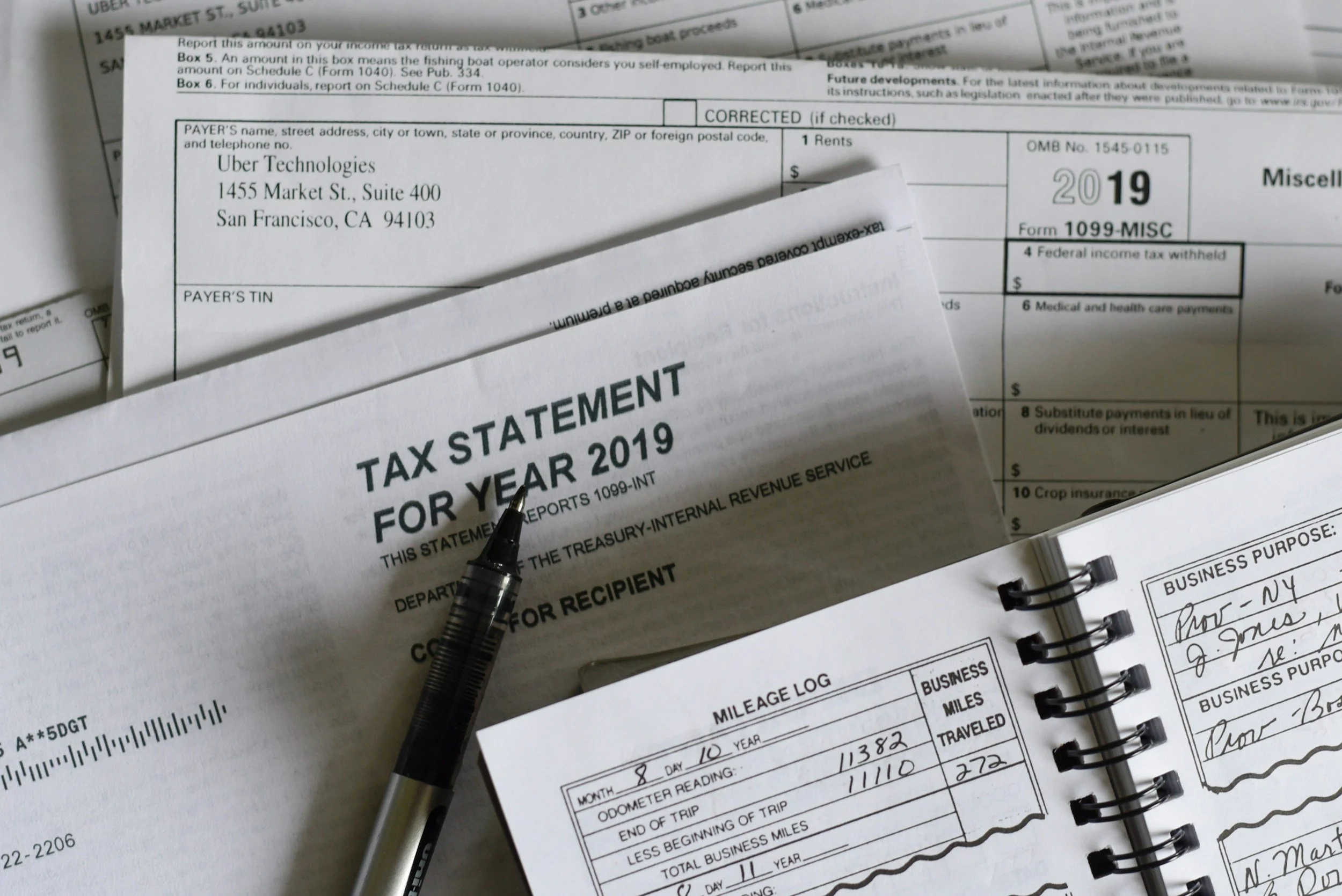
Insurance and Taxes
Insurance protects you.
Taxes keep you compliant.
Both are part of real world adulthood that most people were never properly taught.
This guide explains insurance, tax basics, how to prepare, and what beginners need to know to stay protected and organized.
1. What Is Insurance
Insurance is financial protection. You pay a monthly or yearly premium, and in return, the insurance company helps cover costs when something unexpected happens. It is a safety net that protects you from major financial loss.
What Insurance Does
Protects your money
Covers unexpected events
Gives you peace of mind
Reduces financial risk
Helps you recover faster after emergencies
Insurance does not stop bad things from happening, but it makes those situations much easier to manage financially.
Common Types of Insurance
Health insurance
Helps cover doctor visits, medications, emergencies, surgeries.
Auto insurance
Protects you if you get into a car accident or if your car is damaged.
Renters insurance
Covers your belongings in an apartment and protects you if someone gets hurt in your space.
Homeowners insurance
Covers the structure of your home and your belongings.
Life insurance
Provides financial support to your family if you pass away.
Business insurance
Protects your company, equipment, liability, and operations.
Pet insurance
Helps with vet bills, surgeries, and emergencies for pets.
Why Insurance Matters
Without insurance, one accident, medical emergency, or unexpected event can lead to extremely high bills. Insurance exists to protect you from losing your savings, going into debt, or facing financial hardship when life surprises you.
Insurance is not just a bill to pay. It is a financial shield that protects your stability, your peace, and your future.
2. How to Shop for Insurance
Shopping for insurance is not about finding the cheapest price. It is about finding the best protection for your situation. The right policy keeps you covered, supported, and financially safe.
Steps to Shop Smart
1. Know what coverage you need
Different situations require different levels of protection. Decide what risks matter most in your life.
2. Get quotes from multiple companies
Rates can vary a lot between insurers. Always compare.
3. Compare more than price
Look at
coverage limits
deductibles
monthly or yearly premiums
extras and exclusions
4. Check reviews and customer service
A low price means nothing if the company is slow or difficult when you need help.
5. Ask about discounts
You may qualify for
bundling discounts
safe driver discounts
continuous coverage discounts
good student discounts
home security discounts
loyalty rewards
Where to Shop
Direct insurers
Companies you can contact directly.
Geico
State Farm
Progressive
Allstate
Liberty Mutual
USAA, if eligible
Online comparison tools
Tools that show multiple quotes at once.
Policygenius
The Zebra
NerdWallet
Important Tips
Do not choose the cheapest option if the coverage is weak.
Ask detailed questions about what is and is not covered.
Avoid high deductibles if you cannot comfortably pay them.
Review your policy every year or when big life changes happen.
Why This Matters
Strong coverage protects you when you need it most. A slightly higher premium is worth it if it prevents you from paying thousands out of pocket.
Smart insurance shopping gives you confidence, stability, and real financial protection.
3. Deductible versus Premium Explained
These two terms confuse most people, but once you understand them, choosing insurance becomes easier.
Premium
This is the amount you pay monthly or yearly for your insurance policy.
Lower premium means
you pay less each month
you usually pay more out of pocket when something happens
Higher premium means
you pay more each month
you pay less when something happens
Deductible
This is the amount you pay out of pocket when a claim occurs before your insurance company pays the rest.
Low deductible
higher premium
less money out of pocket during an emergency
High deductible
lower premium
more money out of pocket during an emergency
Simple Rule
If you want lower monthly bills, choose a higher deductible.
If you want lower emergency costs, choose a lower deductible.
Understanding this balance helps you choose a policy that fits your budget and your comfort level.
Personally, I always recommend a lower deductible because you never know when an emergency can occur. It is always better to budget for the lower deductible to have a smaller out of pocket expense during an emergency. This way you can have more money on hand for other emergency expenses.
4. How to Organize for Tax Season
Staying organized for tax season saves you stress, money, and mistakes. Good organization also helps you catch deductions you might otherwise miss.
What to Keep
Income statements
W2
1099
Pay stubs
Any documents showing money earned
Expense records
Receipts
Invoices
Mileage logs
Business related subscriptions
Bank and financial documents
Bank statements
Credit card statements
Loan documents
Business paperwork
LLC documents
EIN confirmation
Business licenses
Any contracts or agreements
How to Stay Organized
Create one system and use it all year.
Use a folder for each category
Track income and expenses monthly
Save all receipts digitally
Use a simple spreadsheet or bookkeeping software
Keep business and personal finances separate
Tools That Help
QuickBooks
Wave (free)
Google Drive
Dropbox
Notion or spreadsheets
Digital systems make it easier to search, upload, and sort documents without losing anything.
Tips
Do not wait until April
Organize throughout the year
Review your documents monthly
Keep everything in one place
Save both digital and physical copies when possible
Being prepared makes filing faster, easier, and less stressful. It also reduces your chance of errors and helps you get the deductions you are entitled to.
5. What Is a Write Off
A write off, also called a deduction, is an expense you subtract from your taxable income. This lowers the amount of money the government taxes, which can reduce what you owe.
What This Means
If you spend money on something necessary for work or business, you may be able to deduct it.
Write offs do not give you money back. They simply reduce your taxable income so you owe less.
Common Write Offs
Office supplies
Software and apps
Internet bill
Phone bill (business portion)
Courses and education
Marketing and ads
Work equipment
Subscriptions and tools
Mileage or travel for work
Home office portion (if applicable)
Simple Rule
If it helps you work, operate, or earn money, it may qualify as a write off.
Keep receipts.
Track expenses monthly.
Speak to a tax professional if you are unsure what applies to you.
Write offs are one of the easiest ways to legally lower your taxes when used correctly.
6. Beginner Tax Tips
These simple habits help you avoid mistakes, reduce stress, and stay compliant with the IRS.
Pay Attention to Deadlines
Mark all tax deadlines on your calendar
Set reminders a week before each deadline
Avoid last minute filing to reduce errors
Keep Everything Documented
Save and organize
Receipts
Invoices
Bank and credit card statements
Mileage logs
Any proof of income or expenses
Good documentation protects you during audits and helps you claim all eligible deductions.
Do Not Mix Personal and Business
If you have a business
Use a separate bank account
Use a dedicated card for expenses
Mixing finances can cause IRS issues and make bookkeeping messy.
File Even If You Cannot Pay
Always file your return
The penalty for not filing is worse than the penalty for paying late
You can set up a payment plan with the IRS
Filing on time protects you from unnecessary penalties.
Use Software If Needed
TurboTax
H and R Block
TaxAct
Cash App Taxes (free)
These tools guide you step by step and reduce errors.
Ask for Help
If you are confused, hire a tax preparer or accountant
They help maximize deductions and prevent costly mistakes
Professional help is especially useful for businesses
Being organized, proactive, and informed keeps tax season simple and stress free.
Your Next Step in Insurance and Taxes
Insurance protects your life.
Taxes protect your future.
When you understand the basics, you feel more confident, prepared, and financially stable.
Next, explore
Credit and loans
Money management
Real world skills
Your Resource Hub will help you stay informed and in control every step of the way.