
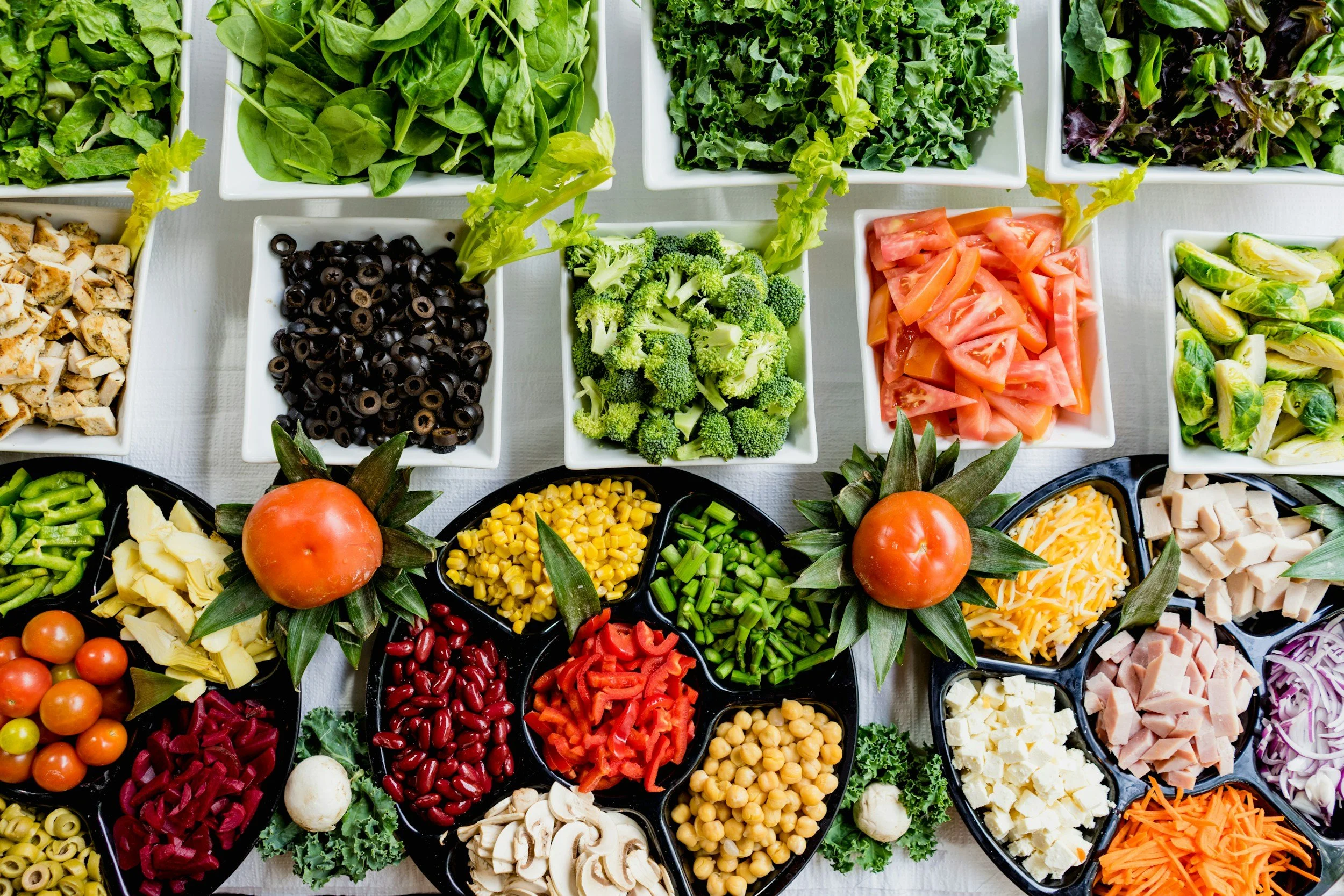

Diets and Eating Styles
There is no one perfect diet. The best eating style is the one you can maintain, that supports your goals, and that makes your body feel good. This guide breaks down common diets in a simple way so you can choose what works for you without pressure or confusion.
1. High Protein Diet Basics
A high protein diet focuses on increasing your protein intake to support muscle maintenance, fullness, and overall metabolism. Protein plays a major role in how satisfied you feel after eating and how well your body recovers and functions throughout the day.
This approach is not about cutting out other nutrients. It is about prioritizing protein while still eating balanced meals.
Benefits
• Helps support fat loss while preserving muscle
• Keeps you full longer and reduces constant snacking
• Supports muscle growth and recovery
• Helps stabilize blood sugar and energy levels
Because protein takes longer to digest, it naturally helps control appetite and cravings.
Examples of protein sources
• Eggs
• Chicken
• Turkey
• Greek yogurt
• Protein shakes or protein powder
• Beans and lentils
• Fish
Including protein at each meal makes it easier to stay satisfied and consistent.
Who this diet is good for
• People who lift weights or train regularly
• Anyone trying to lose fat while maintaining muscle
• Anyone who feels hungry soon after eating
A high protein diet works best when combined with balanced meals, adequate hydration, and consistency over time.
2. Low Carb Diet Basics
A low carb diet focuses on reducing carbohydrate intake while increasing protein and healthy fats. The goal is to limit quick blood sugar spikes and rely more on fats and protein for sustained energy. For some people, this approach can feel more stabilizing and easier to follow.
Low carb does not look the same for everyone. The level of reduction depends on lifestyle, activity level, and personal response.
Common low carb foods
• Eggs
• Meat and fish
• Leafy greens
• Non starchy vegetables
• Healthy fats such as avocado, nuts, seeds, and olive oil
These foods help keep meals filling while providing essential nutrients.
Benefits
• May reduce cravings and appetite swings
• Can lead to quick initial water weight loss
• May improve blood sugar control for some people
Because carbs affect blood sugar, lowering them can help some people feel more steady and less reactive.
Who this approach is good for
• People who feel sluggish or foggy after high carb meals
• Individuals with insulin sensitivity or blood sugar concerns
• Those who prefer a simple and structured eating style
Caution
Low carb does not mean no carb. Your body still needs carbohydrates for energy, brain function, and recovery. Quality and balance matter more than complete elimination.
3. Mediterranean Diet Overview
The Mediterranean diet is one of the most well researched and consistently recommended eating patterns for overall health. Rather than focusing on restriction, it emphasizes whole foods, balance, and long term sustainability. It is designed to support the body over time, not just for short term results.
Key features
• Plenty of vegetables
• A wide variety of fruits
• Whole grains as the main carbohydrate source
• Olive oil as the primary fat
• Regular intake of fish and seafood
• Beans and legumes for plant based protein and fiber
• Moderate amounts of dairy
• Minimal red meat
Meals are built around simple, nourishing ingredients that work together to support health.
Benefits
• Supports heart health
• Helps reduce inflammation
• Promotes long term wellness and disease prevention
• Easy to maintain without strict rules or tracking
Because it focuses on real foods, it naturally supports balance and consistency.
Who it is good for
• Anyone looking for sustainable, healthy eating without rigid structure
• People who want long term results instead of quick fixes
The Mediterranean diet is less about dieting and more about building a lifestyle that supports health, enjoyment, and longevity.
4. Vegetarian and Vegan Basics
Vegetarian and vegan diets focus on plant based foods and limit or remove animal products. When planned well, they can support good health and provide a wide range of nutrients. The key is being intentional about food choices.
Vegetarian
A vegetarian diet avoids meat but usually includes eggs and dairy. This allows for more flexibility while still being largely plant focused.
Vegan
A vegan diet removes all animal products, including meat, dairy, eggs, and animal derived ingredients. It relies entirely on plant based sources for nutrition.
Benefits
• High in fiber, which supports digestion and heart health
• Associated with improved heart health
• Often aligns with ethical or environmental values
Nutrient considerations
Because animal products are removed or limited, certain nutrients require more attention.
• Vitamin B12
• Iron
• Omega 3 fatty acids
• Adequate protein intake
Plant based protein sources include beans, lentils, tofu, tempeh, quinoa, nuts, seeds, and soy products.
Depending on the individual, supplements may be helpful to meet nutritional needs and maintain balance.
5. Anti Inflammatory Eating
This eating style reduces foods that increase inflammation in the body.
Foods to include
Berries
Leafy greens
Turmeric
Fatty fish
Olive oil
Nuts
Whole foods
Foods to limit
Sugar
Processed foods
Fried foods
Seed oils in excess
Refined carbs
Benefits
Helps reduce joint pain
Supports digestion
Helps with skin health
Improves energy
6. Calorie Deficit Explained
A calorie deficit means you are consuming fewer calories than your body uses. This is the fundamental requirement for losing body fat. How you create that deficit matters just as much as the deficit itself.
The goal is to reduce calories in a sustainable way, not to deprive your body or crash your energy.
How to create a calorie deficit
• Eat balanced meals that keep you full and satisfied
• Reduce mindless or unnecessary snacking
• Track your intake if it helps you build awareness
• Increase daily movement through walking, exercise, or activity
Small, consistent changes are more effective than drastic cuts.
Important notes
• Do not starve yourself
• Avoid cutting calories too aggressively
• Slow and steady progress is healthier and more sustainable
Extreme deficits often lead to fatigue, burnout, and rebound weight gain.
Signs your deficit is working
• Improved energy and focus
• Clothes fitting more comfortably
• Gradual, consistent progress over time
A well managed calorie deficit supports fat loss while allowing your body to stay nourished, strong, and balanced.
7. How to Choose the Right Diet for Your Goals
The right diet is not about trends, labels, or what works for someone else. It should match your body, your lifestyle, and what you are realistically able to maintain. The most effective plan is the one that supports your health without creating stress or obsession.
Questions to ask yourself
• What foods make me feel energized and clear headed
• What foods make me feel bloated, sluggish, or uncomfortable
• How much time do I realistically have to cook or prepare meals
• What can I maintain consistently over time
• Do I have any specific health conditions or medical considerations
Honest answers lead to better long term results.
Best approaches by goal
For weight loss
• Higher protein intake
• Moderate carbohydrate intake
• Mediterranean style eating
• Calorie controlled but balanced meals
For muscle gain
• Higher protein intake
• Moderate to higher carbohydrate intake to support training and recovery
For energy and general wellness
• Mediterranean style eating
• Anti inflammatory foods
• Balanced plates with all macronutrients
Bottom line
The best diet is the one that improves your health, supports your goals, and fits your lifestyle without adding stress. Consistency will always matter more than perfection.
Your Next Step in Healthy Eating
Understanding different diets helps you choose the eating style that supports your goals without forcing extremes or restriction. Your body works best with consistency, balance, and foods that make you feel good.
Next, explore
Fitness for beginners
Grocery shopping basics
Meal building and simple recipes
Your Resource Hub will guide you through healthy living one step at a time.