

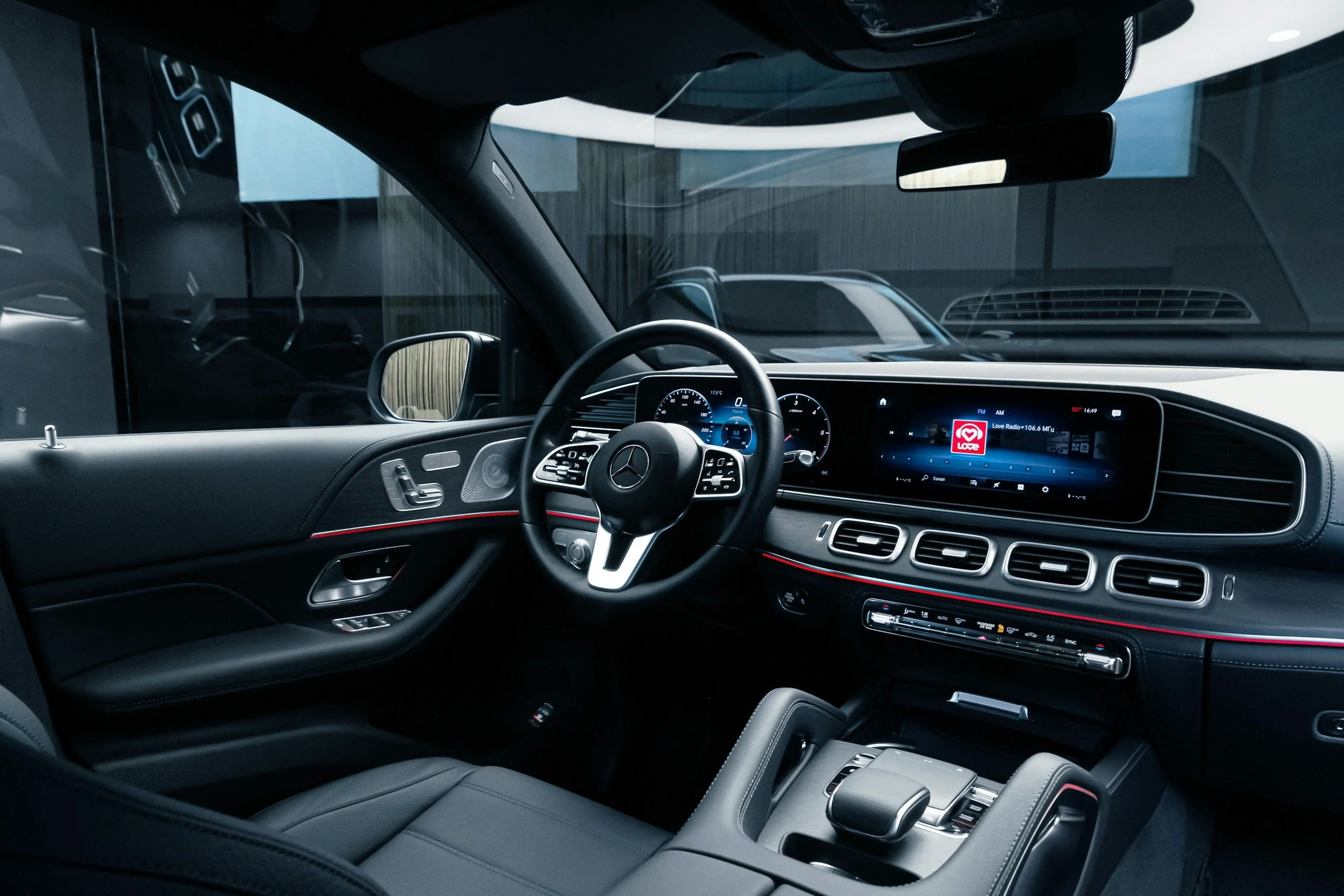
Car Buying and Ownership
Cars are one of the biggest purchases people make, and most buyers have no idea how the process really works. Understanding how to buy, finance, insure, and maintain a car helps you save money, avoid scams, and protect your investment.
This guide breaks down the essentials so you can make confident decisions whether you are buying your first car or upgrading to your next one.
1. How to Buy a Car
Buying a car is a major financial decision. The goal is to choose something reliable, safe, and realistic for your lifestyle and budget. A smart car purchase saves you thousands over time.
Step 1: Know Your Budget
Decide what you can afford monthly
Include more than just the car payment.
Factor in
Insurance
Gas or charging
Maintenance
Repairs
Registration fees
Do not buy at your max limit
Leave room for unexpected expenses.
A comfortable budget is the foundation of a stress free purchase.
Step 2: Choose Your Type
Sedan
Good for everyday driving and fuel efficiency.
SUV
More space, higher seating, great for families or road trips.
Coupe
Sporty style, usually two doors.
Truck
Best for towing or work needs.
Hybrid or electric
Lower fuel costs, but higher upfront price.
Choose based on your lifestyle, not trends or pressure from dealers.
Step 3: Research Your Options
Check common issues
Look up known problems for the model.
Review reliability ratings
Use sites like Consumer Reports or JD Power.
Compare prices across multiple sources
Dealerships
Private sellers
Online listings
Know the average market value before negotiating.
Step 4: Check the Vehicle History
Use the VIN number to run a report.
Tools
Carfax
AutoCheck
Look for
Accidents
Title issues
Flood or salvage history
Mileage inconsistencies
Repeated owners
Failing emissions tests
If anything looks suspicious, walk away.
Step 5: Test Drive
Check how the car feels and responds.
Listen for noises
Rattling, knocking, squeaking
Test the brakes
Smooth stopping with no vibration
Check the steering
It should be stable and responsive
Check acceleration
No hesitation or jerking
Look for warning lights on the dashboard
Any light is a red flag until inspected.
Step 6: Get a Pre Purchase Inspection
Always let a trusted mechanic inspect the car before buying.
They check
Engine health
Transmission
Brakes
Suspension
Leaks
Electrical systems
This step alone can save you thousands.
Final Tip
Never rush a car purchase.
A smart, calm, well researched decision protects your money and keeps you safe on the road.
A good car is an asset.
A bad car becomes a financial burden.
2. Financing a Car
Financing a car means borrowing money to purchase it and repaying the loan in monthly installments. Different lenders offer different terms, and approvals depend on several financial factors.
Where People Get Financing
Dealerships
Often offer incentives or promotional rates depending on the manufacturer.
Banks
Provide stable financing options with set qualification criteria.
Credit unions
Known for member based lending structures and interest rate tiers.
Online lenders
Provide fast approvals with terms that vary by lender and applicant profile.
What Affects Approval
Credit score
Used to determine risk level and interest rate eligibility.
Income
Shows the lender the applicant’s ability to manage a new monthly payment.
Debt to income ratio
Compares existing debt to income to assess financial capacity.
Down payment
Changes the loan amount and affects the overall financing structure.
Employment history
Longer, consistent work history may support approval decisions.
Financing Structure Details
Interest rates
Depend on lender type, market conditions, and applicant qualifications.
Loan terms
Range from shorter periods to extended multi year options.
Monthly payments
Determined by loan amount, interest rate, and term length.
Total interest paid
Increases as loan terms get longer, since interest accumulates over more months.
Pre approvals
Some lenders offer these to show estimated loan terms before selecting a vehicle.
Important Note
Lower monthly payments are typically linked to longer loan terms, which increase total interest over time.
Shorter terms usually result in higher monthly payments but a lower overall cost of borrowing.
3. Lease versus Finance
Leasing and financing are two different methods for obtaining a vehicle. Each option works differently in terms of payments, ownership, and long term cost structure.
Leasing
Leasing involves paying to use the car rather than purchasing it.
The vehicle is returned at the end of the lease term unless a buyout option is used.
Typical characteristics
Lower monthly payments compared to financing
Lower maintenance costs due to warranty coverage
Mileage limits set by the leasing contract
Fees may apply for excess wear or damage
The vehicle remains owned by the leasing company during the lease period
Financing
Financing involves borrowing money to buy the car.
Once the loan is fully repaid, the borrower owns the vehicle.
Typical characteristics
Higher monthly payments compared to leasing
No mileage limits
Ownership transfers to the borrower after payoff
The vehicle can be kept, traded, or sold at any time, depending on loan status
Simple Summary
Leasing centers on temporary use.
Financing centers on long term ownership.
4. Car Insurance Basics
Car insurance protects you financially if something goes wrong with your vehicle. A policy is made of different types of coverage, each handling specific situations.
Types of Coverage
Liability
Required by law in most states. Covers the other person’s injuries and property damage if you cause an accident.
Collision
Covers damage to your car if you hit another vehicle or object.
Comprehensive
Covers events outside of collisions such as theft, fire, vandalism, flood, animals, or severe weather.
Uninsured motorist
Covers you if someone without insurance hits you.
Personal injury protection
Covers medical expenses for you and your passengers. Rules vary by state.
What Affects Your Rate
Age
Location
Driving record
Credit score
Car type
Coverage level
State regulations
These factors help insurers calculate risk and determine pricing.
Common Discounts People Can Qualify For
Good driver discount
Given to drivers with a clean record and no recent violations.
Good student discount
Some companies offer lower rates for students with strong grades.
Multi car discount
Applied when there is more than one car on a policy.
Multi policy discount
Bundling home, renters, or other insurance products with auto insurance.
Safe vehicle discount
Vehicles with strong safety features can qualify.
Anti theft discount
Cars with alarms or tracking systems can receive lower rates.
Low mileage discount
Drivers who travel fewer miles per year may pay less.
Paperless discount
Available for choosing digital documents and billing.
Automatic payment discount
Some insurers reward automatic billing with a lower rate.
Why Continuous Coverage Is Important
Continuous coverage means you never let your insurance lapse. Insurance companies view gaps in coverage as a sign of risk, even if you simply were not driving during that time.
People who maintain uninterrupted insurance often qualify for
lower premiums
better renewal rates
access to additional discounts
A lapse in coverage, even for a short period, can cause insurers to place you in a higher risk category. This can raise the price significantly when you restart your policy.
Continuous coverage shows responsibility, which insurance companies reward with better pricing.
5. Car Maintenance Basics
Basic maintenance keeps your car reliable, safe, and performing the way it should. Simple routine care helps prevent bigger problems later.
Routine Maintenance
Oil changes
Keep the engine clean and running smoothly.
Tire rotation
Helps tires wear evenly and improves traction.
Brake checks
Ensures the vehicle can stop safely and prevents rotor or caliper damage.
Filter changes
Includes air filters, cabin filters, and fuel filters.
Battery checks
Prevents unexpected no start situations and ensures proper electrical function.
Fluid checks
Coolant, brake fluid, power steering fluid, transmission fluid, and washer fluid.
Pay Attention To
Warning lights
Check engine light, low tire pressure, battery warning, and other alerts.
Strange noises
Grinding, squeaking, rattling, or knocking.
Pulling left or right
Often related to alignment, tire pressure, or suspension issues.
Overheating
Indicates a cooling system problem.
Leaks
Puddles under the car may show oil, coolant, or transmission fluid issues.
Why Maintenance Matters
Prevents expensive repairs later
Small fixes are cheaper than major breakdowns.
Keeps your car safe
Proper brakes, tires, and fluids protect you and your passengers.
Improves gas mileage
A well maintained car runs more efficiently.
Extends the life of your car
Engines, transmissions, and components last longer with regular care.
Usually privately owned body shops are more affordable at maintaining your car than the dealership, just make sure you look at all of your options and shop and ask around.
Basic maintenance today reduces the risk of major repairs tomorrow and keeps your vehicle in good condition for years.
6. Red Flags When Buying a Used Car
Used cars can be valuable purchases, but they can also hide costly or unsafe issues. Recognizing red flags helps you avoid vehicles with hidden damage or dishonest sellers.
Red Flags in the Car Itself
Salvage title
Indicates the vehicle was previously declared a total loss.
Flood damage
Look for rust, water stains, or electrical issues.
Inconsistent mileage
Mileage that does not match the vehicle’s age or appearance.
Fresh paint over small areas
May be hiding repairs, dents, or previous accidents.
Warning lights on the dashboard
Check engine, airbag, ABS, and other alerts should not be ignored.
No maintenance records
Lack of documentation makes it harder to confirm proper care.
Strange noises during the test drive
Knocking, grinding, squeaking, or rattling can signal serious issues.
Smoking exhaust
Blue smoke, white smoke, or heavy black smoke can indicate engine problems.
Wet carpets or mold smell
Common signs of leaks or flood history.
Engine bay that looks freshly washed
Sometimes done to hide leaks or residue.
Red Flags in Sellers
Not allowing a mechanic inspection
Refusing or delaying an inspection is a major concern.
Not providing a vehicle history report
Hesitation or excuses raise suspicion.
Changing the story
Inconsistent details about the car’s past, mileage, or ownership.
Pressure or rushing
Sellers who push fast decisions often want to avoid scrutiny.
Prices far below market value
Extremely low pricing can indicate hidden issues.
If the car shows multiple red flags or the seller feels unreliable, it is safer to walk away. A used car should come with transparency, consistency, and confidence from the seller.
7. Green Flags When Buying a Used Car
Green flags are positive signs that a used car has been cared for, maintained correctly, and honestly represented. These indicators help you feel more confident about the vehicle’s history and future reliability.
Green Flags in the Car Itself
Clean and consistent maintenance records
Shows regular oil changes, services, and repairs.
Accurate mileage for the car’s age
Mileage aligns with typical driving habits.
No warning lights
Dashboard is clear with no active alerts.
Smooth test drive
No pulling, shaking, strange noises, or hesitation.
Even tire wear
Indicates proper alignment and suspension health.
Clean interior and exterior without signs of cover ups
Normal wear instead of suspicious patchwork or quick fixes.
Engine bay in natural condition
Not overly cleaned or polished, which suggests nothing is being hidden.
Clear vehicle history report
No major accidents, title issues, or mileage discrepancies.
Passes a mechanic inspection
A trusted professional does not find serious concerns.
Green Flags in Sellers
Willing to show maintenance records
Transparency is a strong trust signal.
Encourages a mechanic inspection
Confident sellers allow full checks.
Provides VIN for history reports
Shows openness and honesty.
Consistent story
Details about ownership, mileage, and usage remain the same.
No pressure
Seller allows time to think, decide, and inspect.
Reasonable pricing
Matches market value and condition of the vehicle.
Organized paperwork
Title, registration, service documents, and receipts are ready and in order.
Used cars with strong green flags tend to be cared for, honestly represented, and easier to maintain long term. These signs create confidence and help the buying process feel smooth and transparent.
Red and Green Flags When Buying a New Car
Even brand new cars can come with issues in the buying process or in the dealership experience. These flags help you understand what to look for before signing a contract.
Green Flags When Buying a New Car
Green Flags in the Car and Dealership
Transparent pricing
The dealer shows the breakdown of MSRP, fees, and taxes without hiding anything.
No unnecessary add ons
You are not pushed into extras like paint protection, tire packages, or warranties you did not ask for.
Clear explanations
Staff explains financing, warranty terms, and contract details without confusion.
Test drive availability
You can test the exact model or a model that matches the one you want.
Vehicle matches the listing
The trim, features, and color are exactly as advertised.
Reasonable wait times
Paperwork and approval do not take hours without explanation.
Professional behavior
The staff is respectful, patient, and consistent.
Red Flags When Buying a New Car
Red Flags in the Car and Dealership
Pressure tactics
Staff pushes you to sign quickly or claims the deal expires in minutes.
Hidden fees
Unexpected charges appear in the contract such as dealer prep, market adjustments, or mandatory add ons.
Market adjustment markup
Dealership adds extra charges on top of MSRP with no clear reason.
Inconsistent pricing
Numbers change after you agree on a price or rate.
Limited transparency
You cannot see the breakdown of fees, interest rates, or terms.
Refusing to provide paperwork
They avoid giving you a copy of the pricing sheet, contract, or financing terms before signing.
Pushing extended warranties or add ons
You are pressured into extras that significantly raise the price.
Vehicle not available
They advertise a model that is never actually in stock to lure customers in.
Unexplained damage
Scratches, dents, or interior issues on what should be a brand new car.
Summary
Green flags show honesty, clarity, and professionalism.
Red flags show pressure, confusion, or hidden costs.
Even new car purchases benefit from awareness and careful review of paperwork, pricing, and dealership behavior.
Your Next Step in Car Ownership
Buying and owning a car does not have to be confusing. When you understand financing, insurance, maintenance, and red flags, you avoid the traps that cost most people money and stress.
Next, explore
Financial planning
Credit and loans
Real world life skills
Your Resource Hub will help you stay informed, confident, and protected through every major life decision.