
The Farrell Dynasty: Architects of a Nation and Stewards of the Land
The history of a nation is often written in broad strokes, but the truth of its development is found in the specific, unyielding contributions of individuals who refused to settle for mediocrity. The Farrell lineage is not merely a family tree; it is the skeletal structure upon which modern Trinidad and Tobago was built. It is a story of a convergence of worlds—the disciplined, strategic mind of an Irish army officer and the deep, ancestral connection to the land embodied by a woman of Carib descent. From this union, a dynasty of intellect, public service, and visionary engineering emerged, leaving a footprint that remains visible more than a century later.
The Intellectual Forge: Charles Arthur Richards Farrell
The Farrell standard for excellence was set early by Charles Arthur Richards Farrell. A standout at Queen’s Royal College (QRC), Charles possessed an intellectual intensity that simply could not be contained by the limitations of his environment. His performance on the Island Scholarship exams is the stuff of legend: at just 16 years old, he achieved the top rank. When he was denied the scholarship due to his age, he did not retreat; he returned the following year, outperformed his peers again, and cemented his place at Edinburgh University.
This relentless drive followed him home. As the first local appointed as the City Engineer of Port of Spain, Charles did not just manage infrastructure; he revolutionized it. He understood that the health and prosperity of a capital city depended on its most basic survival tool: clean, potable water. He approached this engineering challenge as an artist, designing pumping stations—such as the landmark site at Cocorite—that combined industrial precision with architectural elegance. These structures, with their polished fittings and intricate designs, were built to last, serving as a silent, enduring testament to a man who saw utility as a form of public trust.
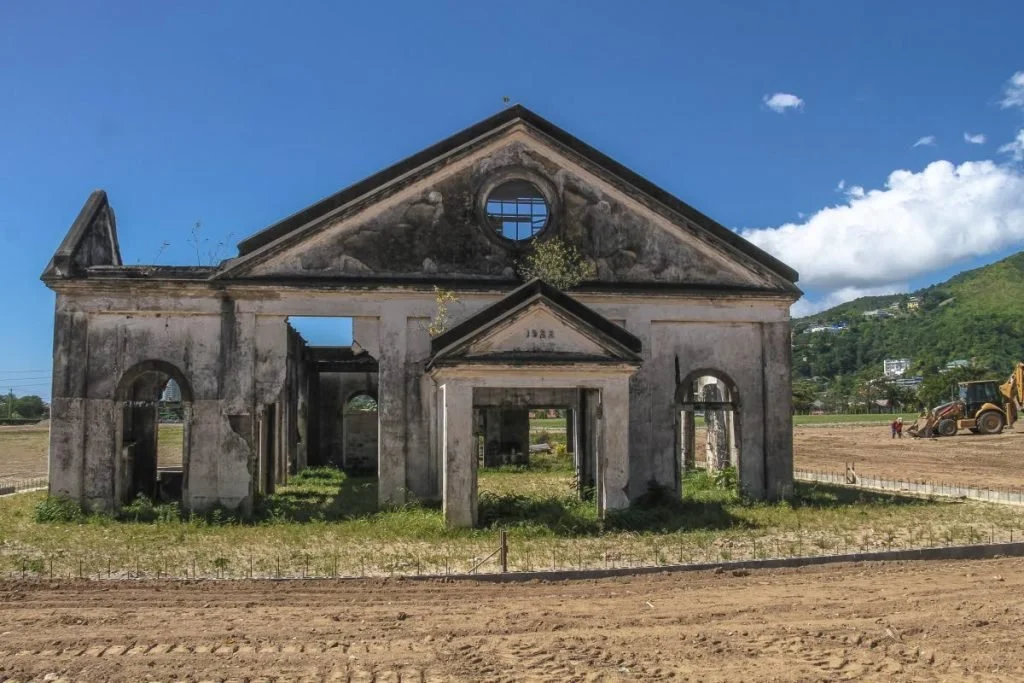
The Cocorite Pumping Station in Trinidad
The Seven Sons: A Legacy of Service
The Farrell home was a forge of capability. Charles and his wife, Mary Marguerite Brunton, raised seven sons who each became pillars of the community. They were more than scholars; they were symbols of national potential, excelling in cricket, football, and tennis at QRC. Their lives, however, were also marked by the human cost of greatness. The tragic passing of their son Pat during his time at QRC remains a poignant reminder of the fragility of the lives that were shaping a young nation. Yet, his brothers—Reggie, who continued the family tradition as City Engineer; Harry, who steered the administration of Port of Spain as Town Clerk; and Edward, the beloved dentist—carried the Farrell name into every vital sector of Trinidadian life.
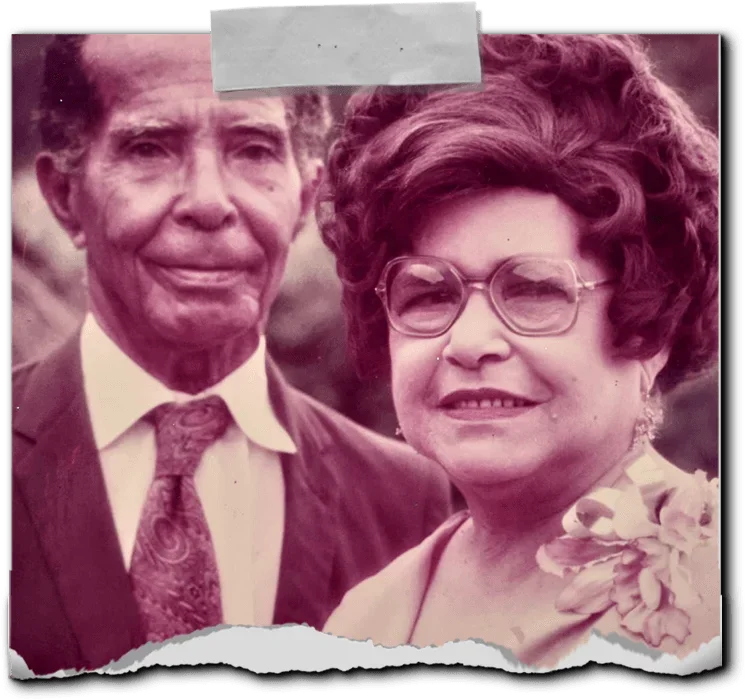
Frederick and Lucia Farrell (My Great Grandparents)
The Steward and the Catalyst: Frederick Farrell
If Charles built the physical infrastructure, his son, Frederick Farrell, built the economic infrastructure. As the Director of Surveys and Sub-Intendant of Crown Lands, Frederick was the man who literally defined the borders and territories of the nation. But his vision extended far beyond the maps he drew.
During his time at the University of Toronto, Frederick recognized a tool that could liberate the working class: the credit union. He saw the discipline of the movement and understood that it was the key to financial sovereignty for his people. Upon his return to Trinidad, he didn't just talk about change—he engineered it. He mobilized the staff of the Red House—the heartbeat of the nation’s bureaucracy—to found RHAND Credit Union in 1947. Named for the departments where it was born (Registrar General, Health, And, Land/Surveys), RHAND grew from a modest collective into a powerhouse that has spent 75 years providing the financial scaffolding for the dreams of ordinary Trinidadians.
The Reclamation: Inheritance as a Mandate
For decades, these details existed only in archives, fragmented in digital records and historical documents, obscured by the distance of time and the silence of generations. Discovering this history has been a process of excavation—an act of reclaiming an inheritance that was never meant to be lost.
To look upon the life of Charles, the engineer, and Frederick, the catalyst, is to understand that the capability I value today is not a new invention; it is a legacy. They were men who stood in the arena, who took responsibility for the land and the well-being of the people, and who refused to be defined by anything other than their own competence.
I do not write this to live in the past, but to anchor the present. In an era where institutional trust is failing, looking back at the Farrells provides a blueprint for what a life of substance looks like. They did not wait for the system to validate them; they built the systems that served the nation. Their lives are a reminder that true authority is not granted by a title—it is earned through the work you leave behind. I carry the Farrell name not just as a badge of honor, but as a mandate to continue the work they started: to build, to clarify, and to create the infrastructure of a better future.
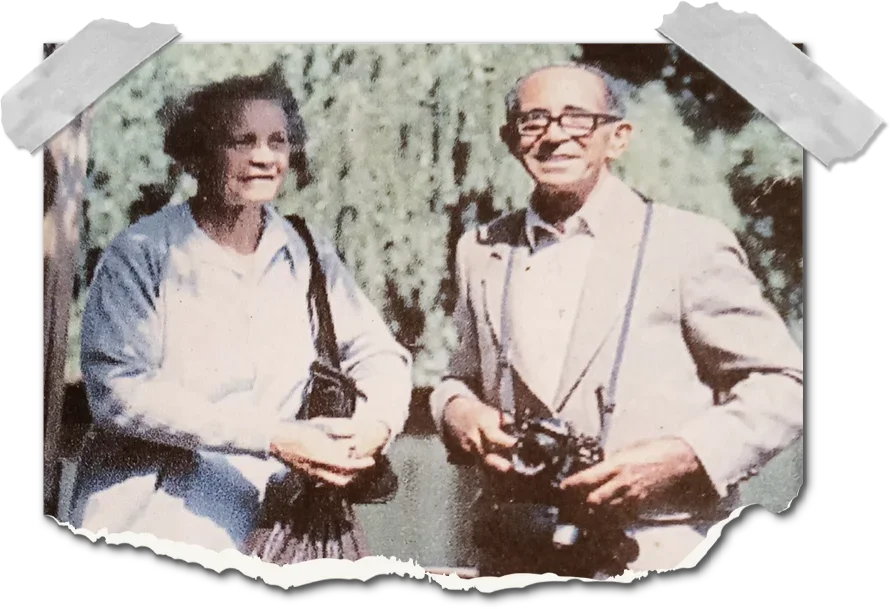
Theodore and Elsa Farrell (Frederick’s Older Brother)
